
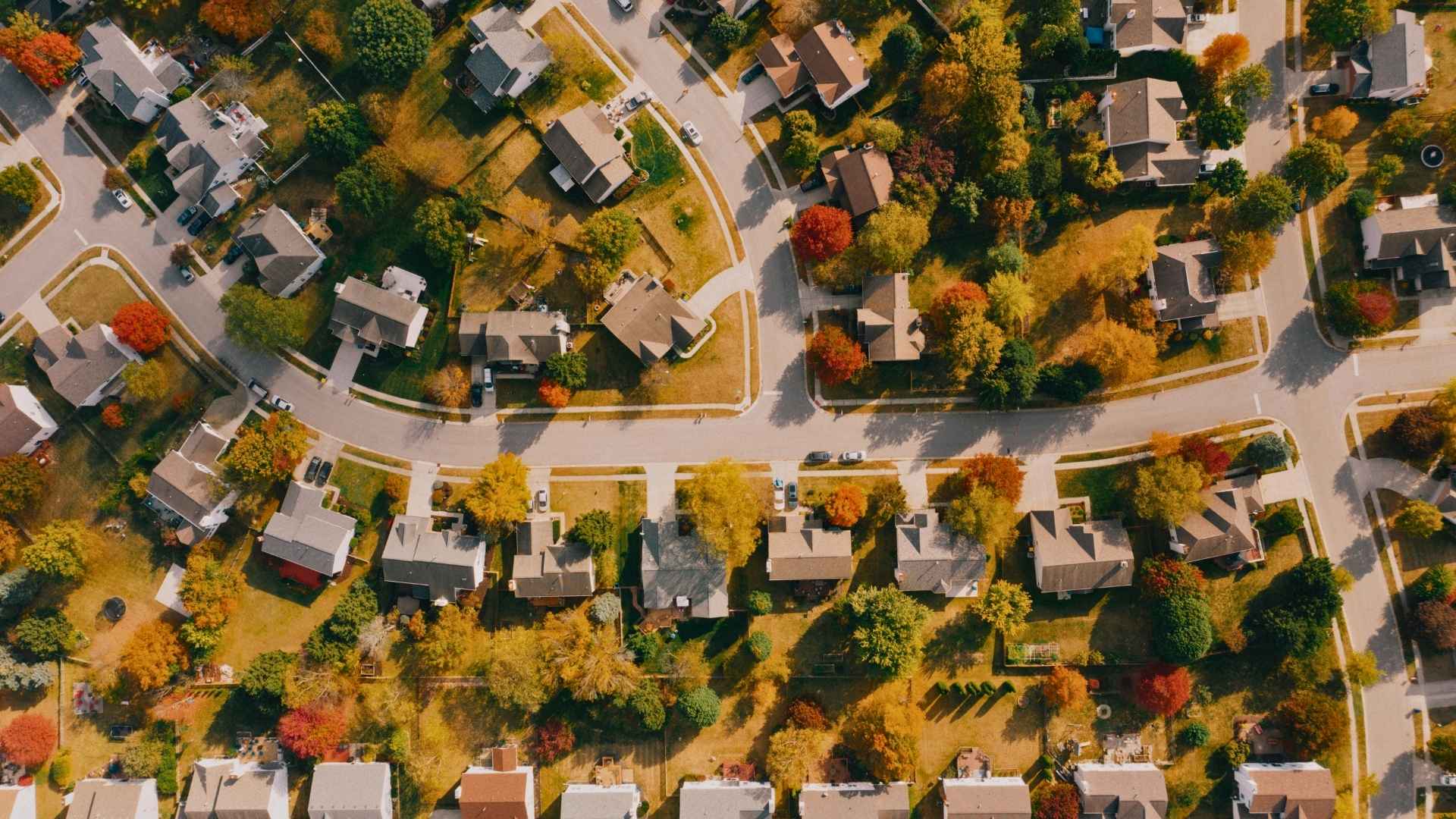
The real estate landscape in Southeast Michigan is evolving rapidly, and nowhere is this more evident than in Metro Detroit. From emerging neighborhoods to historically strong markets, the region is experiencing a fresh wave of interest from buyers, investors, and relocating families. As we move into 2026, understanding Metro Detroit housing market trends is essential for anyone planning to buy or sell a home.
In this in-depth guide, we’ll break down which cities in Metro Detroit are expected to see the highest home value growth in 2026, what’s driving this momentum, and what these Metro Detroit housing market trends mean for you. Whether you’re a first-time buyer, move-up buyer, or a homeowner considering selling, this report provides valuable insight to help you make informed decisions.
Why Metro Detroit Is Poised for Strong Growth in 2026
Across the U.S., many markets are stabilizing after years of volatility. But Southeast Michigan is uniquely positioned for continued home value growth, and the underlying reasons are reflected heavily in Metro Detroit housing market trends.
1. Increased Job Growth and Economic Expansion
Major industries—such as automotive, tech, healthcare, and advanced manufacturing—are driving new job opportunities across the region. More companies are expanding, especially in Oakland and Washtenaw counties, leading to greater housing demand.
2. Growing Appeal for Remote and Hybrid Workers
With more flexibility, buyers from larger cities are relocating to Metro Detroit for lower costs, larger homes, and better lifestyle amenities. This shift has become one of the most influential Metro Detroit housing market trends of the decade.
3. Rising Popularity of Family-Friendly Suburbs
Families want strong school districts, safety, and community engagement. Metro Detroit offers dozens of suburban communities that check all these boxes.
4. Michigan’s Overall Affordability
Compared to major metro areas nationwide, Metro Detroit remains far more affordable—resulting in strong competitive activity in desirable communities.
These factors—combined with rising development and infrastructure investment—are shaping the Metro Detroit housing market trends in 2026 and pushing several cities toward exceptional growth.
Top Metro Detroit Cities Expected to See Home Value Growth in 2026
Below is a breakdown of the cities to watch, based on migration patterns, buyer activity, development plans, housing demand, and emerging Metro Detroit housing market trends.
1. Novi
Novi consistently ranks among the strongest housing markets in the region, and all indicators point to continued growth in 2026. With top-rated schools, strong retail centers, and ongoing development, Novi remains one of the most desirable communities in Metro Detroit.
Why Novi Will Grow in 2026
- High demand from families seeking quality schools
- Rapidly expanding commercial and corporate sectors
- Exceptionally low inventory, increasing property value
- Proximity to major commuting routes
With its blend of lifestyle, career opportunities, and education quality, Novi is one of the most significant Metro Detroit housing market trends to watch this year.
2. Royal Oak
Royal Oak has long been a favorite for young professionals and families alike. Its walkable downtown, vibrant nightlife, and quick highway access make it a high-demand market.
Why Royal Oak Will Grow in 2026
- High influx of first-time buyers
- Strong rental and investment property appreciation
- Expanding restaurant, event, and entertainment scene
- Stable long-term demand
Royal Oak’s popularity isn’t slowing, and the Metro Detroit housing market trends suggest that home values will continue to rise steadily.
3. Rochester & Rochester Hills
Rochester and Rochester Hills combine small-town charm with high-performing school districts—major factors driving buyer demand in 2026.
Why Rochester Will Grow in 2026
- Strong school rankings and family appeal
- Scenic parks, trails, and community events
- Increasing demand from move-up buyers
- Limited inventory and high competition
As Metro Detroit families search for more space, safety, and quality education, Rochester and Rochester Hills stand out in Metro Detroit housing market trends for their exceptional livability.
4. Birmingham
Known for luxury homes, boutique shopping, and high-end dining, Birmingham remains one of the most sought-after markets for affluent buyers.
Why Birmingham Will Grow in 2026
- Consistently strong demand for luxury real estate
- Walkable, upscale downtown area
- High-paying industries attracting new residents
- Strong school district reputation
As buyers increasingly prioritize lifestyle and convenience, Birmingham’s continued relevance in Metro Detroit housing market trends is undeniable.
5. Ferndale
Ferndale has transformed into one of Metro Detroit’s most trendy, diverse, and exciting communities. Its artistic culture and affordability make it appealing to younger buyers.
Why Ferndale Will Grow in 2026
- Increasing popularity among remote workers
- Rising demand for walkable communities
- Vibrant nightlife, arts, and music scene
- Rapid growth in independent businesses
Ferndale represents the perfect storm of affordability, culture, and accessibility—all drivers of major Metro Detroit housing market trends in 2026.
6. Plymouth
Plymouth offers one of the most charming downtowns in Metro Detroit and boasts strong schools, safe neighborhoods, and a high demand for single-family homes.
Why Plymouth Will Grow in 2026
- Limited housing supply
- Attractive downtown lifestyle
- Strong school district performance
- High relocation interest from out-of-state buyers
Based on 2026 Metro Detroit housing market trends, Plymouth is poised for significant appreciation in the coming year.
7. Canton
Canton’s central location, affordability, and strong schools make it a top choice for families seeking spacious suburban homes.
Why Canton Will Grow in 2026
- Stable and rising demand from dual-income families
- Impressive local parks, sports centers, and community amenities
- Ongoing commercial development
- Expanding job sectors nearby
Canton aligns perfectly with the Metro Detroit housing market trends of suburban growth and family-focused demand.
8. Ann Arbor (Metro Detroit Influence Area)
Although technically outside the traditional Metro Detroit boundary, Ann Arbor heavily influences the region’s market trends.
Why Ann Arbor Will Grow in 2026
- Exceptional schools and university influence
- Rapid job growth, especially in technology and healthcare
- Strong appreciation history
- High-income residents and consistent buyer interest
Because of its economic impact, Ann Arbor plays a major role in shaping Metro Detroit housing market trends, particularly for buyers focused on education, culture, and innovation.
What 2026 Buyers Should Expect
With prices expected to rise in many of these cities, buyers navigating Metro Detroit housing market trends should prepare for:
- Competitive offer situations
- Potentially limited inventory
- Quick-moving listings in high-demand areas
- Slightly higher price points in rapidly appreciating communities
However, these challenges are balanced by long-term equity gains and stable investment opportunities.
What 2026 Sellers Should Expect
Thanks to the strong Metro Detroit housing market trends, sellers can anticipate:
- Increased demand from relocating buyers
- Higher likelihood of multiple offers in top cities
- Strong price appreciation
- Opportunities to move equity into new markets
Selling in the right city at the right time—especially in areas experiencing rapid growth—can maximize profit.
Resources for Further Market Insight
For deeper data on schools, market analysis, and regional demographics, resources like Michigan.gov’s Housing Report are extremely helpful: https://www.michigan.gov/housing
This is a valuable complement to understanding long-term Metro Detroit housing market trends.
What Next?
2026 is shaping up to be a pivotal year for Metro Detroit real estate. With diverse cities offering strong schools, vibrant communities, and rising home values, buyers and sellers have tremendous opportunities ahead. Whether you’re looking for affordability, luxury, family-oriented neighborhoods, or a trendy downtown, the Metro Detroit housing market trends point to sustained growth across the region.
Ready to explore homes in the fastest-growing Metro Detroit communities?
Let LivCo Realty Group guide you. Contact us Here: https://livcorealtygroup.com/contact/
